History & Legends
The Prince Behind the Name
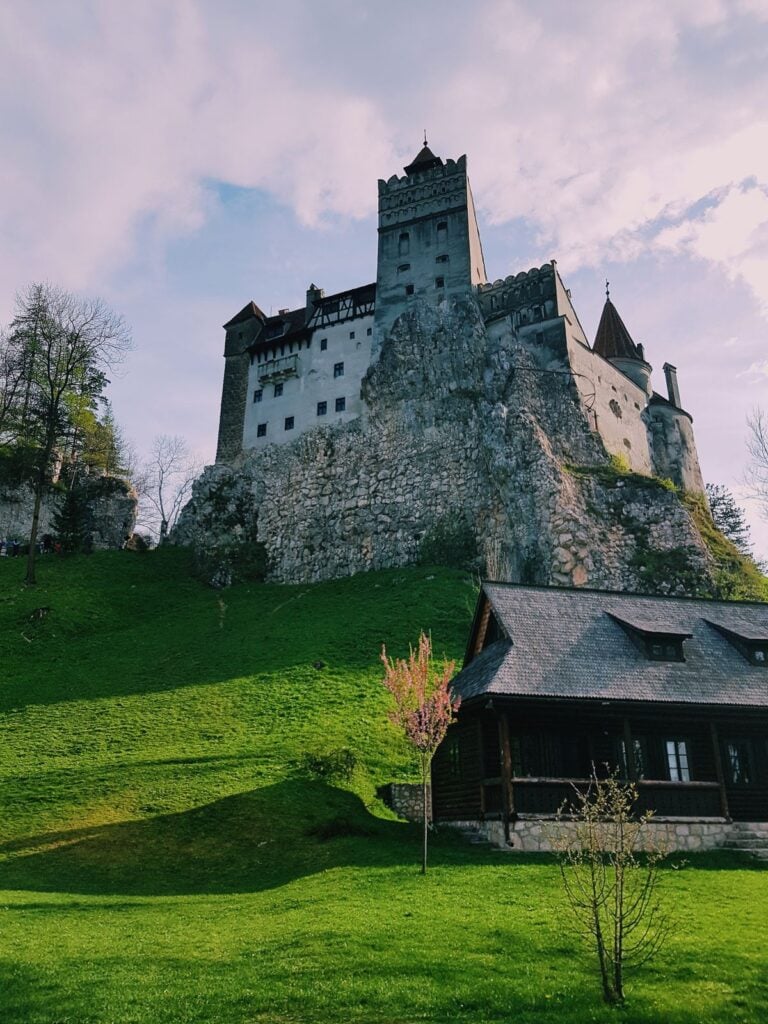
On a busy summer day, thousands of visitors walk through Bran’s gate hoping to find Dracula. The name they are chasing started as a nickname for a nobleman who joined a brotherhood of dragon-badged knights. It took more than 450 years to land on the cover of a horror novel.
A dragon in the family
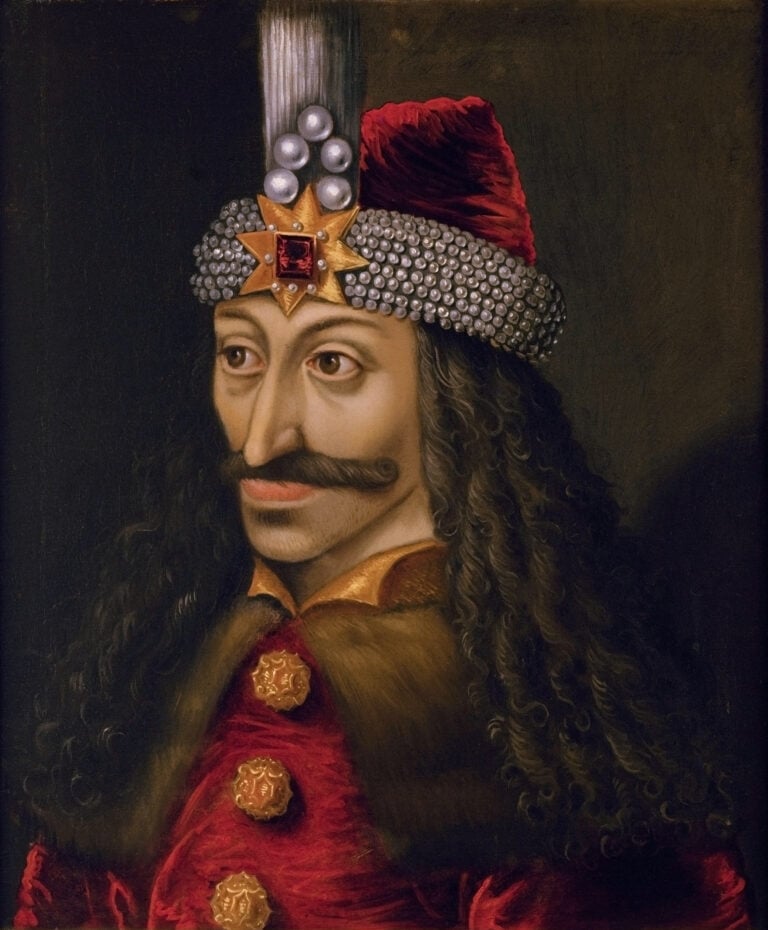
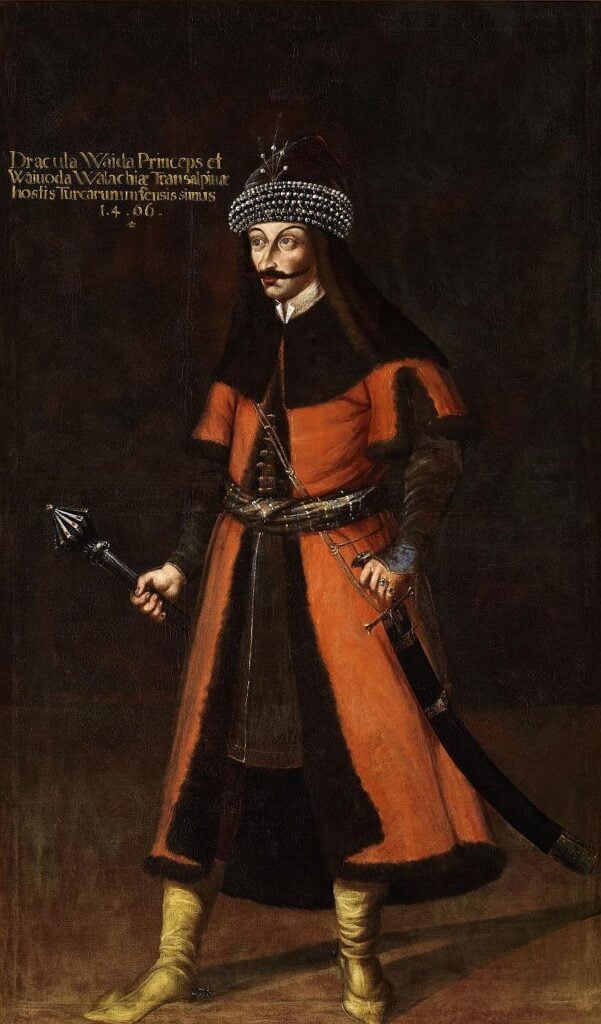
Around 1431, Vlad II, who would later rule Wallachia, joined the Order of the Dragon. Wallachia was the principality just south of Bran’s mountain pass. The king of Hungary had founded the order to fight the Ottoman Turks, and its members wore a dragon emblem. Vlad II picked up the nickname Dracul, from draco, the Latin word for dragon.
His son, the future Vlad the Impaler, became Dracula, meaning “son of Dracul.” He used the name himself. In letters from the 1470s he signed with Latin spellings such as “Dragulya.”
German pamphlets about Vlad’s cruelty spread the name around Europe in spellings like “Dracole.” In modern Romanian, drac means “devil,” so a family badge of honor has picked up a darker ring over the centuries.
How an Irish writer found the name
Bram Stoker, the Dublin-born author of Dracula, found the name in a book. In 1820 William Wilkinson, a former British consul in Bucharest, published a history of Wallachia and Moldavia. Stoker read it while researching his novel and copied out a line saying that Dracula meant “devil” in the Wallachian language.
Wilkinson also wrote about a Voivode Dracula who crossed the Danube to fight the Turks. Voivode is an old Slavic title for a prince or war leader. Stoker handed that story to his vampire.
In the novel, the Count brags about an ancestor who beat the Turks on their own ground. Professor Van Helsing, the vampire hunter, decides the Count must be “that Voivode Dracula who won his name against the Turk.”
Stoker took little else from Vlad’s life. The Canadian scholar Elizabeth Miller, who spent years on Stoker’s working notes, pointed out that they never mention impaling, or even Vlad’s first name. In her view Stoker borrowed a catchy name and a scrap of history.
Vlad’s real footsteps at Bran
The prince himself knew this valley. Bran Castle guarded the main road through the mountains between Wallachia and the Transylvanian city of Brașov, and Vlad’s campaigns took him through the Bran pass several times.
Around 1456 he rode through on his way to Brașov to sign a treaty. In the autumn of 1462 he came this way again, heading north after his war with the Ottoman sultan.
His family had an older link to the castle. Vlad’s grandfather, Mircea the Elder, prince of Wallachia, controlled Bran for a few years in the early 1400s under a deal with the king of Hungary.
Whether Vlad ever slept here is a harder question. Some local historians say the Hungarian king Matthias Corvinus held him prisoner at Bran for about two months in the autumn of 1462 before sending him on to Hungary. Most historians doubt it, and no surviving document shows that Vlad lived here.
How Bran became “Dracula’s Castle”
Stoker put his Count’s castle near the Borgo Pass, about 200 kilometers north of here as the crow flies. He described a vast ruin with broken battlements against the moonlit sky.
Some fans argue that Stoker saw a picture of Bran in Charles Boner’s 1865 travel book, “Transylvania: Its Products and Its People.” Nobody has proved it.
Tourism did the rest. Dracula films filled cinemas around the world in the 20th century, and Western visitors to Romania wanted a real castle to match the story. Bran had the look, with towers and turrets perched on a rock above a mountain road, and it sat on a route Vlad had traveled.
Tour guides and travel writers started calling it Dracula’s Castle, and the name stuck. The castle now welcomes about a million visitors a year.
For a castle Vlad himself rebuilt, head to Poenari, a ruined fortress on a cliff above the Argeș River in southern Romania. The climb to the top takes nearly 1,500 steps.